
Instax Cinematic – The new “cinematic” instant camera for storytelling
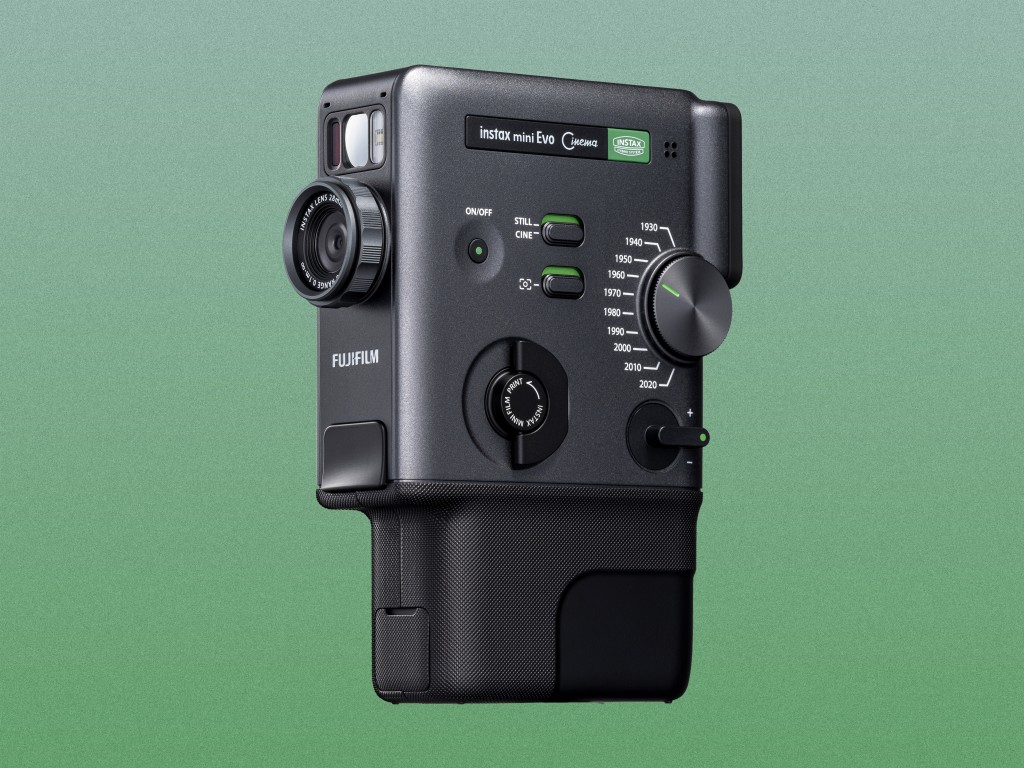
Instax Cinematic: the instant camera that brings a “cinema” look to everyday photography
The new Instax Cinematic starts from a simple idea: turning instant photography into a more story-driven gesture—less “point-and-shoot,” more intentional. It’s not just a party camera: it’s designed for people who want to build atmosphere, pay attention to composition and light, and print images that feel like movie stills.
In this article we look at it through the eyes of someone who uses Instax to capture people, places, and moments: what the “Cinematic” concept communicates, when it makes sense, and what kind of experience it promises.
What “Cinematic” means on an Instax
When a product calls itself “cinematic,” it can easily turn into a slogan. Here, the concept feels more concrete: Instax Cinematic aims to encourage a more mindful way of shooting instant photos. In practice: fewer random snaps, more attention to light, subject, and background.
Instant photography is already “physical” by nature because it gives you a print. Cinematic tries to add one more step: intention. Not simply “I took a photo,” but “I built an image.”
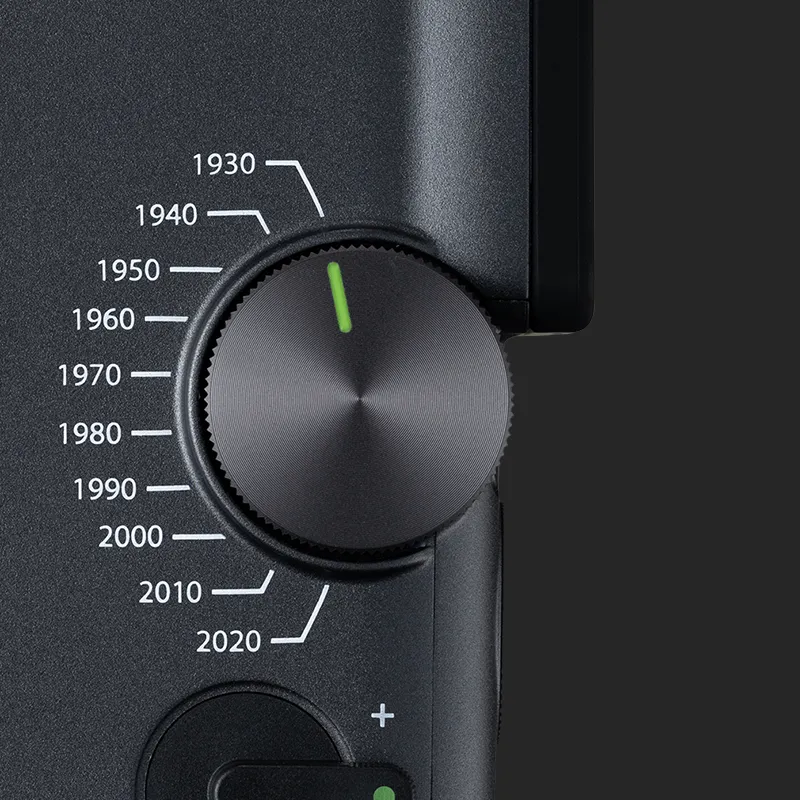
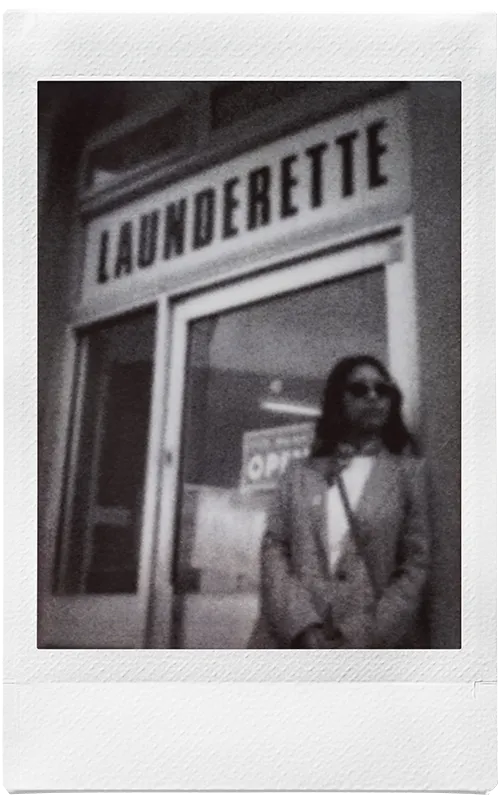
1930 — cinematic black & white, bold contrast
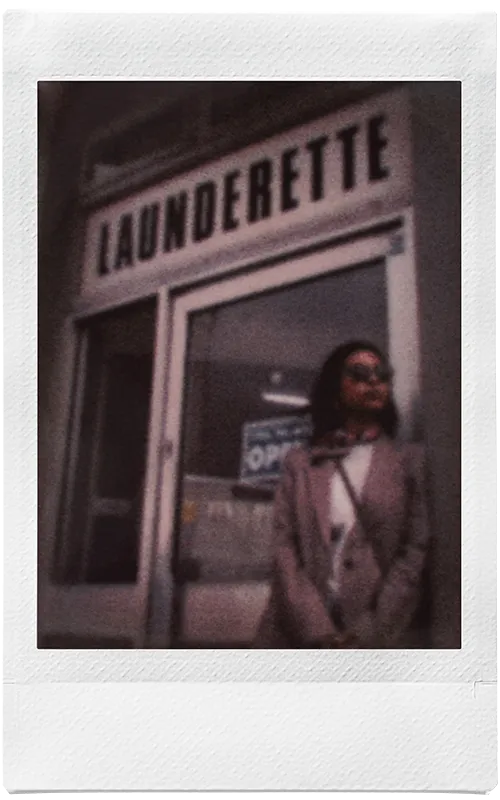
1960 — softer tones, classic cinema atmosphere
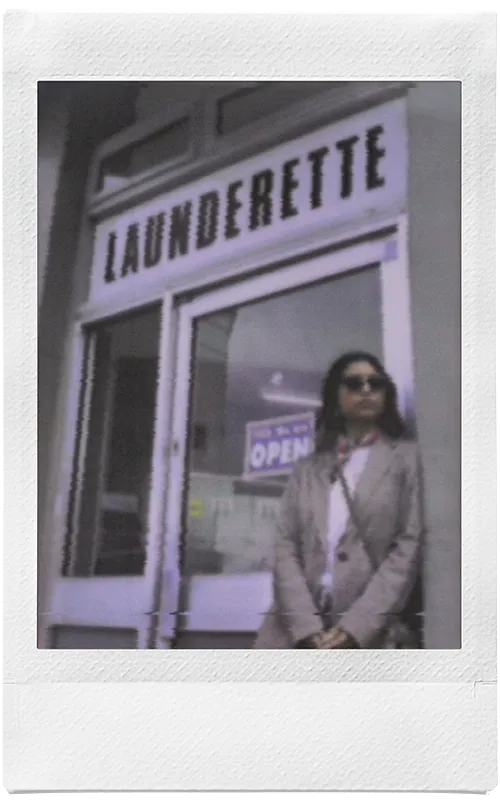
1990 — richer color, modern analog vibe
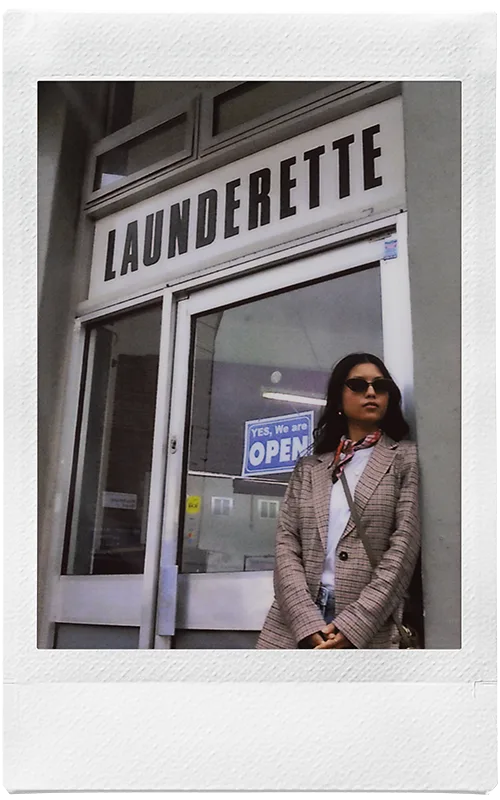
2020 — clean, contemporary rendering, digital cinema style
Who it’s for: portraits, travel, backstage, and lifestyle
Instax Cinematic seems built for people who use instant photography creatively: environmental portraits, small improvised sets, backstage moments, slow travel, and events where you want prints—but with a more curated aesthetic.
- Portraits: the print becomes an object to hand over, sign, and keep.
- Travel: fewer shots, chosen carefully, like a visual diary made of “scenes.”
- Backstage: perfect to give an immediate print to subjects and crew.
- Home & lifestyle: natural light, interiors, details, everyday moments with atmosphere.
The beauty of instant photography: a creative limit, not a compromise
The Instax appeal has always been this: immediate printing forces you to choose. You can’t shoot endlessly, and you can’t postpone everything to post. Instax Cinematic seems to make this “limit” even more central: shoot less, but shoot better.
That’s where “cinematic” becomes truly interesting: the photo doesn’t have to be perfect—it has to feel believable. It needs atmosphere. It needs to tell something in a single frame.

The lens ring: 10 “Degree” variations in real time
Instax “Cinematic” focuses on immediate control: the ring around the lens lets you choose the intensity of the look from Degree 1 to Degree 10. No screens, no distractions—adjust on the fly and shoot.
Think of it as a “mood dial”: turn it up when you want more character, turn it down when you prefer a more natural result.
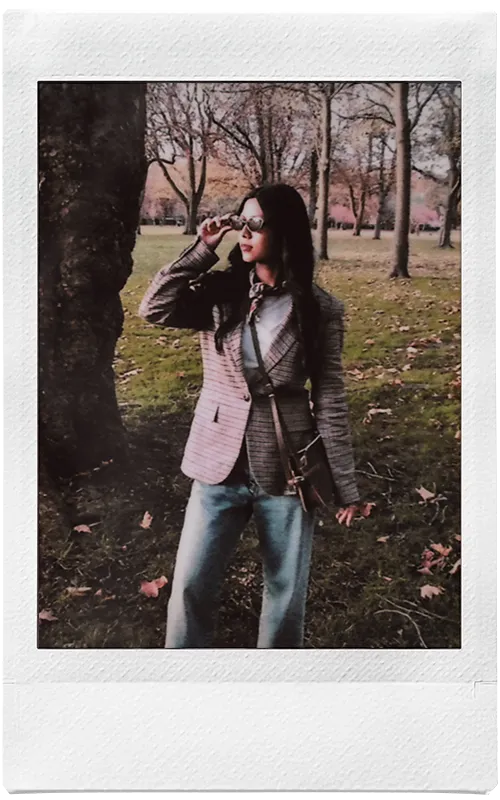
Degree 1 — Soft

Degree 2 — Gentle

Degree 3 — Classic
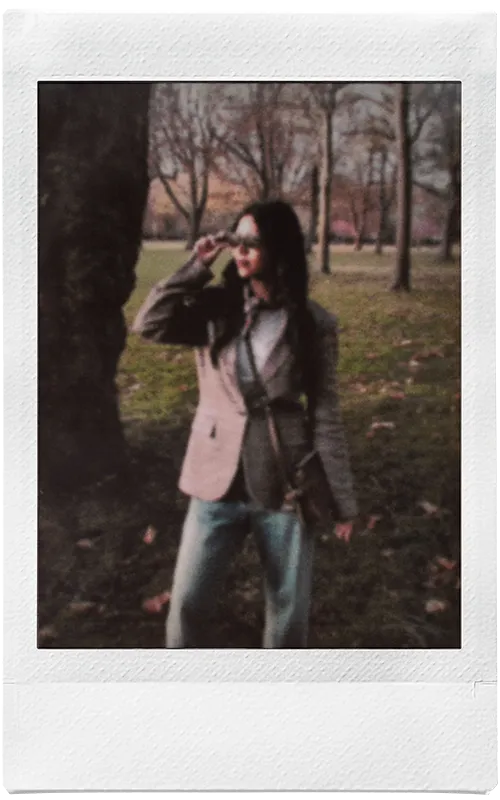
Degree 4 — Warm

Degree 5 — Balanced

Degree 6 — Punchy
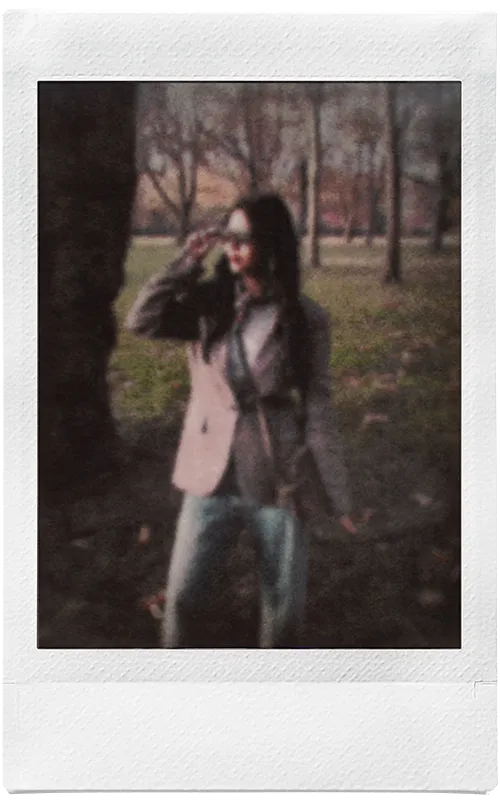
Degree 7 — Cinematic

Degree 8 — Bold

Degree 9 — Dramatic

Degree 10 — Full Effect
How we’d actually use it: three real-world scenarios
1) Quick portrait in natural light
Side window light, a subject close to the background, a few clean elements. Instant prints work best when light does half the job. Cinematic makes sense if it pushes you to think like you’re on a set: position, shadows, gesture, timing.
2) Slow street at sunset
Not frantic street photography—the kind where you’re looking for a scene. Silhouettes, reflections, a clean frame. Here the Instax limitation becomes an advantage: it forces you not to waste shots and to get into the right rhythm.
3) Backstage or event with immediate prints
The print is the value. If the Cinematic aesthetic helps you create more “moodboard-ready” images (even without complex setups), it becomes a great tool to hand over something that already feels “finished.”
Press release
Fujifilm introduces Instax Cinematic, a new vision for instant photography
Fujifilm announces Instax Cinematic, a new instant camera designed to deliver a creative experience inspired by the language of cinema. Made for those who love telling stories through images, Instax Cinematic combines the charm of instant prints with a refined aesthetic and a more narrative approach to shooting.
Instax Cinematic was developed to emphasize atmosphere, composition, and the moment—encouraging users to experience photography as a creative process rather than an automatic gesture. The design, inspired by the cinematic world, reflects this philosophy and makes the camera a distinctive object, meant to be used and displayed.
With Instax Cinematic, Fujifilm continues to promote the value of instant printing as a form of personal expression. Each image becomes a unique physical object, capable of conveying authentic emotions and turning memories into something tangible.
Availability
Instax Cinematic will be available soon. Features, colors, and availability may vary by market. Specifications are subject to change without notice.
Conclusion
Instax Cinematic feels like an answer for people who love instant photography but want a tool that encourages them to think the photo through. The value isn’t only the print—it’s the mindset: observe, choose, build a scene, then bring home a physical image with character.
If you use Instax to make “nice memories,” almost any model will make you happy. But if you’re looking for a more story-driven instant camera, with a strong identity and a look that nods to cinema, Instax Cinematic is a launch worth keeping an eye on.
Availability & advice
Considering Instax Cinematic?
We can help you understand if it’s the right Instax for the way you shoot—and which accessories actually make sense for portraits, events, and creative projects.