
Nikon NIKKOR Z 70-200mm f/2.8 VR S II – Pro performance, reduced weight
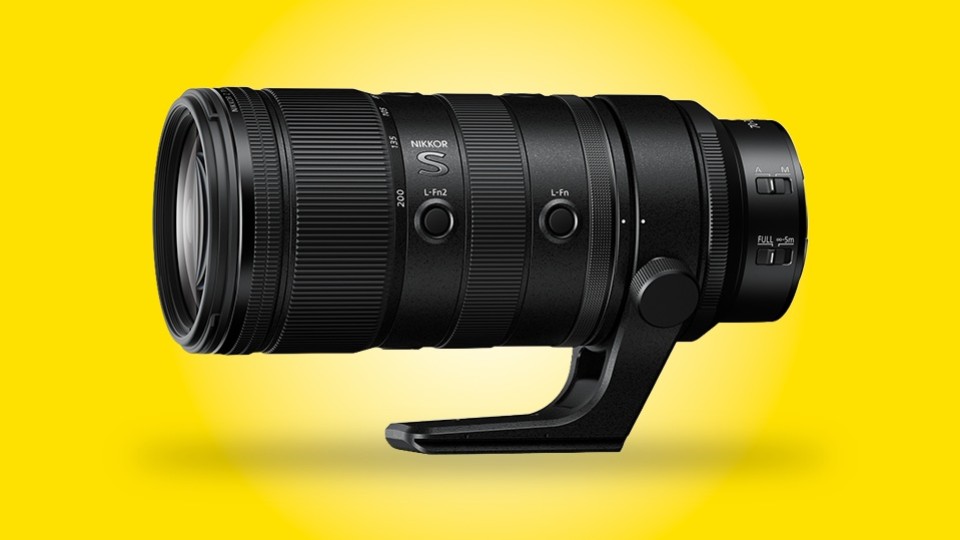
Nikon NIKKOR Z 70-200mm f/2.8 VR S II: pro performance, working speed, reduced bulk
The 70–200mm f/2.8 is one of those lenses you don’t really debate: if you shoot portraits, events, sports, reportage or video, you’ll get there sooner or later. With the new NIKKOR Z 70-200mm f/2.8 VR S II, Nikon updates one of the pillars of the Z system by focusing on three very concrete things: less weight, more responsive AF, and more effective stabilization, without losing the S-Line identity.
In this article we read it the way we’d actually use it: in the field, in real situations, where a 70–200 has to be reliable, repeatable and fast.
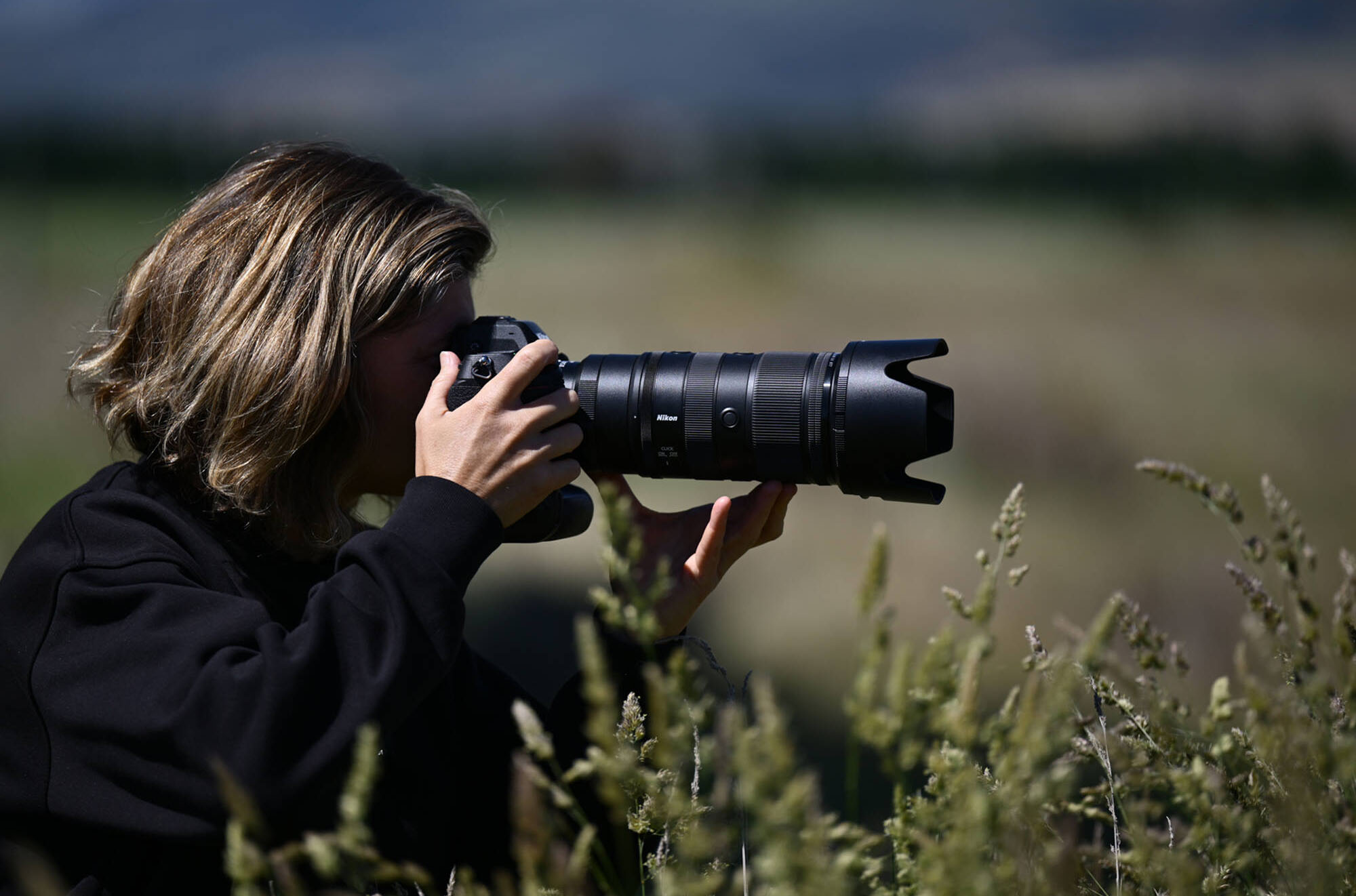
The upgrade you feel right away: it’s lighter (and shorter)
The most obvious difference isn’t a line on a spec sheet: it’s portability. Nikon states this is the lightest in its class, weighing 998 g, and it’s 12 mm shorter than the previous model (and 362 g lighter). Translation: less shoulder fatigue, less stress during events, easier use on a gimbal/rig—and more reason to actually bring it with you.
For working shooters, “1 kg for a 70–200/2.8” changes the experience: it’s not only comfort, it’s also consistency (how many hours you can keep it on without losing quality or pace).
Stabilization: 6 stops and Synchro VR on compatible Z bodies
A 70–200 is often used in real conditions: indoors, theaters, arenas, mixed light, evening reportage. That’s where the built-in 6-stop VR matters—and on compatible Z cameras, Synchro VR helps maximize stabilization in the center and at the edges of the frame.
It’s the classic difference between “I can shoot anyway” and “I can shoot well, even when the light doesn’t cooperate”.
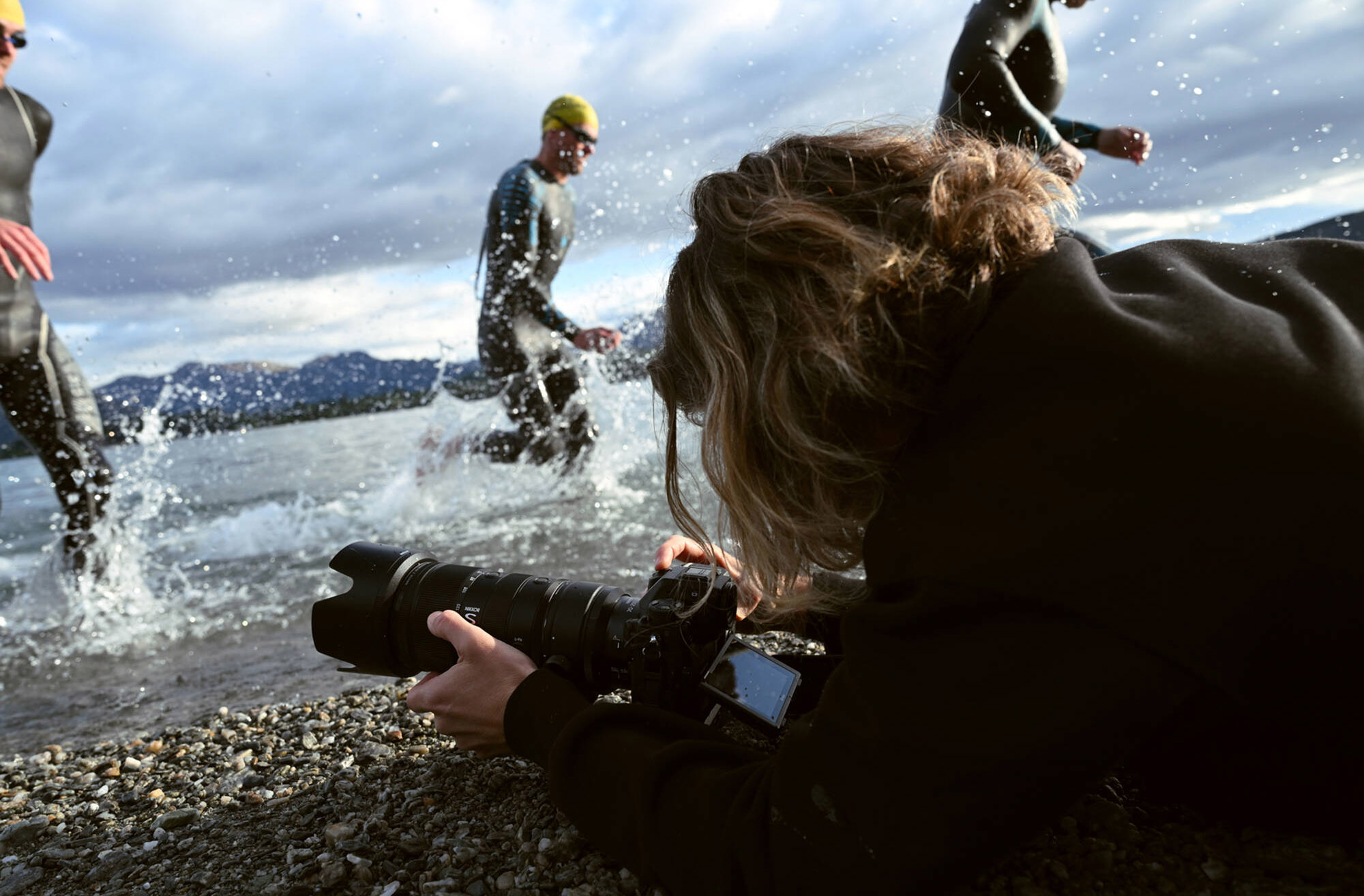
Next-level AF: more responsive, less vibration
On a 70–200, autofocus can’t just be “good”: it must be reliable when the subject accelerates, changes direction, moves in and out of shadow and light. Nikon highlights a major step forward thanks to Silky Swift voice-coil motors and a multi-focus system that improves responsiveness while reducing disturbance and vibration.
This is the kind of improvement you notice most in sports, events and dynamic portrait work: fewer “micro hesitations”, more focus where you need it.
Latest-generation S-Line quality: “serious” optical construction
The S series is not just a badge: it’s the idea of a lens built for hard work and clean files. Nikon cites a design with double-sided aspherical elements, an SR glass element, Super ED elements, plus Meso-Amorphous and ARNEO coatings to handle reflections and challenging light.
In practice: more control over flare/ghosting and more consistency when shooting backlit scenes or with strong light sources in-frame.
Smoother bokeh: 11 rounded blades
The 70–200 is also the “portrait king” for those who want an elegant look and strong subject separation. Nikon states a rounded 11-blade aperture and smoother, more refined bokeh for a more natural sense of depth.
It’s exactly what you want for weddings, events and environmental portraiture: a clean subject, a present but soft background.
Closer focusing: shorter minimum distance and higher magnification
This is an often overlooked advantage: the ability to get closer when you need to. Minimum focusing distance is 38 cm at 70 mm and 80 cm at 200 mm, with maximum magnification up to 0.25× (at 70 mm) and 0.3× (at 200 mm). Result: more freedom for details, hands, objects, scene elements, and “half-macro” reportage moments.
Video-friendly: internal zoom, stable rigs, minimized focus breathing
For video shooters, Nikon emphasizes internal zoom: you can change focal length without rebalancing your rig, and balance stays stable even with heavier external accessories. On top of that, focus breathing is minimized for more natural focus transitions.
It’s a strong point for wedding films, corporate work, events and cinematic content where you want to zoom without the frame “breathing”.
Pro-use details: click control, sealing, tripod collar and hood
- Clickable control ring: click ON for tactile feedback, click OFF for smooth and silent operation (great for video).
- Professional-grade sealing: designed to keep dust, dirt and moisture at bay.
- Removable tripod collar with bayonet-style design for secure mounting, plus a protective collar included.
- HB-119 hood with filter window: no need to remove the hood when using rotating filters (also excellent with variable NDs for video).
Who it’s really for (and when it becomes the “main lens”)
A 70–200/2.8 S II makes sense when you want a lens that covers real work: people, action, details and storytelling without swapping lenses every minute.
- Events and ceremonies: portraits, details, fast moments, mixed light.
- Sports: tracking and responsiveness, especially indoors.
- Reportage: perspective compression, isolated subjects, a cleaner scene.
- Video: internal zoom + reduced breathing = smoother workflow.
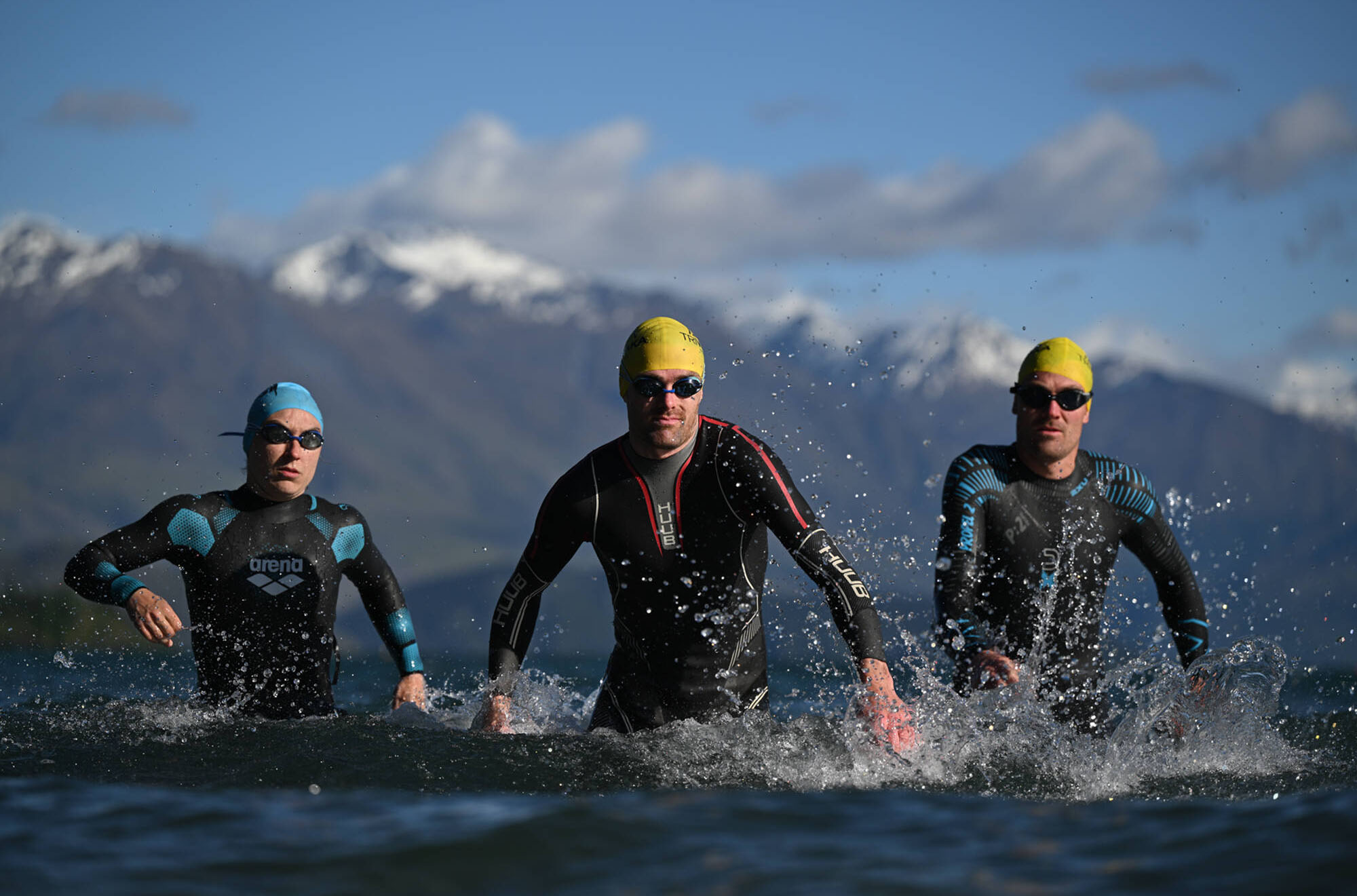
Press release
Nikon introduces the NIKKOR Z 70-200mm f/2.8 VR S II
Nikon announces the new NIKKOR Z 70-200mm f/2.8 VR S II, a latest-generation S-Line lens designed to deliver professional performance in a more compact form. With a weight of 998 g, the new model is lighter and smaller than its predecessor, making prolonged use easier in fast-paced environments such as events, sports and video productions.
The built-in stabilization system provides up to 6 stops of VR, and compatibility with Synchro VR on supported Z cameras helps achieve greater stability and control even in difficult lighting. The updated AF system, based on Silky Swift voice-coil motors and multi-focus design, improves responsiveness while reducing vibration and operational disturbance.
Advanced optical construction includes special elements and dedicated coatings for high image quality, while video-oriented engineering features internal zoom and minimized focus breathing for more natural focus transitions.
Availability
The new NIKKOR Z 70-200mm f/2.8 VR S II will be available soon. Features and availability may vary by market.
Conclusion
The NIKKOR Z 70-200mm f/2.8 VR S II is the classic “work lens” that immediately becomes central in your kit: it covers an enormous range of real-world situations, now with a more modern approach (lighter, more stable, more video-friendly). If you’re looking for a 70–200 you’ll truly use every week—not just keep “in theory”—this update makes a lot of practical sense.
Availability & advice
Considering the NIKKOR Z 70–200mm f/2.8 S II?
We can help you understand whether it fits your real use (events, sports, portrait, video), how to match it to your camera body, and which accessories truly make sense (filters, supports, video solutions).